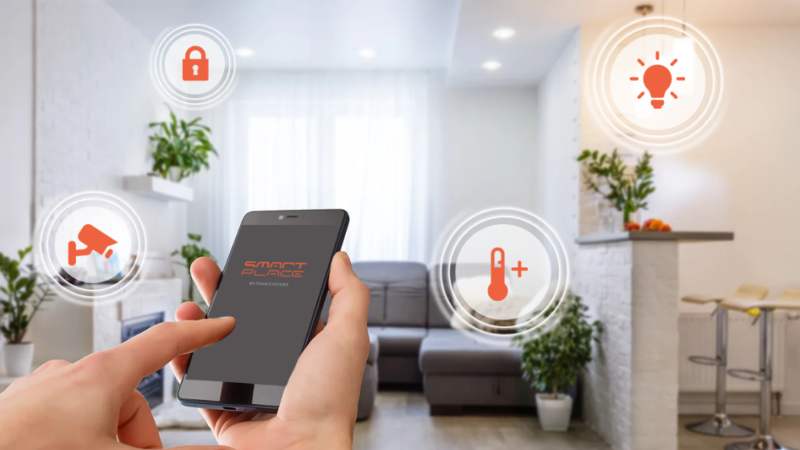
Smart homes are the norm today. Almost every device is connected to an app and allows us to control everything from the temperature to the music we listen to when we wake up.
However, is all that convenience worth it? Where do we draw the line? Let’s see how to stay smart in our home and the digital world.
Underlying Risks of Being Automated
The lack of strong built-in security principles in the IoT (Internet of Things) devices is their greatest threat. Many companies focus on making the device easier to use instead of adding strong encryption, which makes it likely that the device is open to data capture.
To help combat this problem, the Federal Trade Commission (FTC) monitors emerging consumer device threats and issues guidance. If a single device connected to your network is hacked, your entire network is unprotected. An intruder can use that device as an access point to get into any computers linked to the same Wi-Fi network.
Vulnerabilities in Everyday Gadgets
- Smart security cameras: Unencrypted footage can give away your daily activity patterns.
- Voice assistants: Constant, always-on listening increases the risk of unintentional voice recordings and data harvesting.
- Connected thermostats: Using outdated firmware enables hackers to map your home network.
The Danger of Phantom Data Collection
You shouldn’t only be wary of hackers but also of smart devices. Some collect data in ways that you might be unaware of. They record how you make use of their products, when you switch devices on and off, and even your conversations. This gives them potential access to very intimate details about your life and the ability to sell this information to third-party data brokers for advertising purposes or, in the worst-case scenario, for scams.
Taking Back Your Digital Privacy
The secret to a secure automated home is to be proactive about managing your network and following basic tech hygiene.
1. Install a Virtual Private Network (VPN)
One of the strongest steps to take in protecting your home network is to encrypt the data that is traveling between your devices and the web. If you want to protect all household devices at once, consider installing a VPN directly on your router. This would also protect devices that cannot run encryption software on their own. Alternatively, a desktop VPN protects the computer you use to manage your smart-home network. It keeps your IP address hidden and your login credentials safe from anyone attempting to snoop on your network traffic.
2. Review Your Device Permissions
You can audit your network all day long, but your hardware is controlled by applications, so you need to audit those too. Most companion smartphone apps ask for permissions and collect data they don’t need, such as access to your contacts, your location, or your photo galleries.
Checking these settings ensures that a simple smart lightbulb app isn’t silently tracking your physical movements outside your home or mining personal data from your mobile device.
3. Best Practices for a Secure Smart Home
- Change default factory passwords to complex, unique phrases immediately.
- Disable remote management features to prevent unauthorized access to your router’s settings.
- Enable automatic firmware updates to patch newly discovered security flaws.
- Turn off universal plug-and-play (UPnP) settings on your main router.
Knowing When to Unplug
At other times, the optimal security strategy may lie in opting for simplicity instead of connection. The devices have their uses even when not connected to the Internet. Think carefully before deciding to purchase anything marketed as a smart toaster, trash can, or even a mirror. Using simpler, more conventional gadgets reduces the digital footprint that you create.
Finding the Balance Between Tech and Security
You should never sacrifice your digital privacy for the convenience of having a smart home. Always check what the settings are on all your devices so you can enjoy their benefits without exposing your data. This way, you can build a smart home that is efficient and secure.