
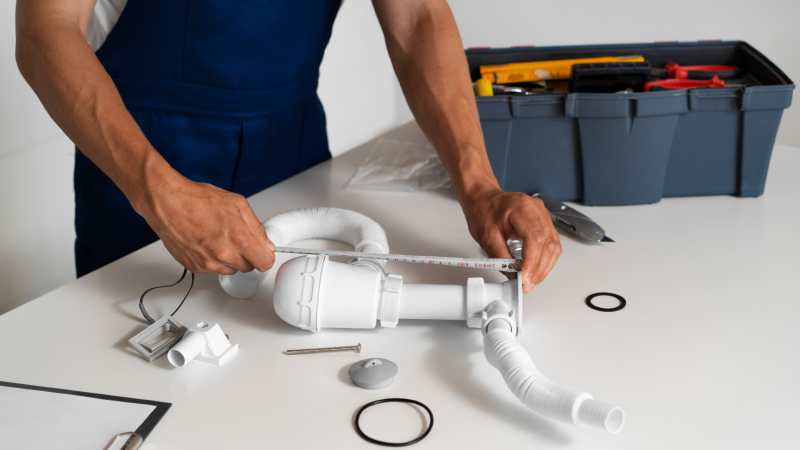
Plumbing is one of those essential systems most homeowners don’t think about until something goes wrong. Yet it touches nearly every corner of daily life, from the moment you turn on the morning shower to washing dishes after dinner and everything in between. While faucets, drains, and fixtures are visible, the infrastructure behind them plays a quiet, crucial role. For reliable results, many homeowners start their search with a trusted Residential Plumbing Contractor because professional expertise ensures systems work safely, efficiently, and with minimal disruption.
Great plumbing isn’t just about fixing leaks, it’s about ensuring comfort, health, efficiency, and long-term peace of mind throughout your home. When that system is designed, maintained, and repaired properly, it makes everyday living feel effortless.
The Hidden Network That Powers Daily Life
Plumbing is fundamentally the network that brings water into your home, clean, pressurized, and ready for use and carries wastewater safely away. That network includes pipes, valves, fixtures, drains, vents, and appliances connected to water supply and sewage systems. It’s a complex system that interacts with your home’s structure, electrical systems, appliances, and even landscaping.
When everything is functioning well, it just works. But when something is off, a slow drain, a dripping faucet, low water pressure, or unexplained odors, the consequences ripple through daily routines.
Understanding how this system works helps homeowners appreciate why professional involvement matters. Quality plumbing affects safety, structural integrity, and overall comfort.
Early Signs You Might Need Professional Help
Not all plumbing issues are immediate emergencies, but many start subtly.
Some early indicators include:
- ● Slow drains, a common sign of blockage or buildup
- ● Low water pressure, possibly due to pipe corrosion, mineral buildup, or hidden leaks
- ● Discolored water, indicates rust or sediment in supply lines
- ● Strange noises, gurgling or knocking could signal venting issues or water hammer
- ● Visible leaks, even small ones can escalate quickly
These might seem minor, but plumbing issues rarely fix themselves. Left unattended, they can lead to mold growth, structural damage, and increased utility bills.
Addressing them promptly with a skilled Residential Plumbing Contractor reduces long-term risk and expense.
Simple Fixes vs. Professional Expertise
It’s tempting to reach for a wrench or chemical drain cleaner when a sink slows down or a toilet runs. Some issues can indeed be resolved with basic tools and know-how. But many seemingly simple problems have deeper causes. A stubborn clog might be symptomatic of pipe alignment issues or even root infiltration into sewer lines. A running toilet could be due to a failing flapper or more complex internal valve degradation.
Professional plumbers bring tools and diagnostic methods beyond what most homeowners have at hand. Video pipe inspection cameras, pressure testing, and code knowledge allow them to see what’s hidden behind walls and under floors without destructive trial-and-error.
This means repairs are targeted, effective, and long-lasting, rather than quick fixes that come back with a vengeance.
When to Consider Upgrading Plumbing Systems
Homes built decades ago often have plumbing systems that, while still working, don’t perform to modern standards. Pipes may be made of materials prone to corrosion or scaling. Fixtures might be inefficient, wasting water and increasing utility costs. Older sewer lines may be undersized or vulnerable to tree root intrusion.
Upgrades that modern homeowners often consider include:
- ● Replacing corroded or obsolete pipes (like galvanized steel) with modern materials like PEX or copper
- ● Installing high-efficiency fixtures and toilets to reduce water use
- ● Updating sewer lines to prevent backups and odors
- ● Enhancing insulation around pipes to prevent freezing in cold months
These changes aren’t merely cosmetic or convenience-driven, they improve durability, safety, and efficiency.
Water Quality and Health
Many people focus on how fast water comes out of a faucet, but not all think about what comes out. Water quality affects health, appliances, and longevity of pipes.
Some homes have issues like:
- ● Hard water that leaves mineral buildup
- ● High sediment levels
- ● Improper pH or chemical contaminants
- ● Addressing water quality may involve:
- ● Installing filtration systems
- ● Adding water softeners
- ● Testing supply water periodically
- ● Replacing corroded pipe sections
Healthy water doesn’t just taste better, it protects skin, hair, clothing, dishes, and internal plumbing components.
Winter Plumbing Preparedness
Cold weather introduces unique challenges. In winter climates, pipes can freeze, fixtures can crack, and outdoor spigots can become vulnerable. Preventative steps help avoid costly repairs:
- ● Insulate exposed pipes
- ● Ensure attic and crawlspace temperatures are adequate
- ● Disconnect and drain exterior hoses
- ● Install frost-proof faucets
- ● Keep cabinet doors open to allow warmer air around plumbing
Seasonal awareness and professional checks before peak cold can save homeowners thousands and prevent emergency calls in the middle of winter night.
Fixtures, Renovations, and Plumbing Integration
Bathroom and kitchen renovations often require plumbing adjustments. Upgrading a sink, relocating a toilet, or adding a laundry demand coordination between design goals and plumbing capabilities.
Good plumbers don’t just connect pipes, they collaborate with designers and general contractors to:
- ● Determine optimal fixture placement
- ● Verify load capacities for water heaters and softeners
- ● Plan for adequate drainage and venting
- ● Ensure code compliance
This coordination prevents costly rework and ensures that the plumbing supports the broader vision of the space.
Water Heaters and Efficiency
A home’s water heater is one of its hardest-working appliances. Whether tank-based or tankless, it provides hot water for showers, dishes, laundry, and cleaning. But as systems age, they become less efficient, costing more in energy and often delivering inconsistent temperatures.
Common issues include:
- ● Sediment buildup in tank heaters
- ● Rusted or worn components
- ● Thermostat failures
- ● Inadequate sizing for household demand
A professional can assess whether repair, maintenance, or replacement is appropriate, and help homeowners choose systems that best balance capacity, energy efficiency, and budget.
- ● Emergency Situations and Preparedness
- ● Some plumbing issues require immediate attention:
- ● Water gushing from a pipe
- ● Sewage backing up into living areas
- ● Gas smell near water heaters
- ● Major leaks in floors or ceilings
Having contact information for a reliable Residential Plumbing Contractor ahead of time, before an emergency, makes response faster and less stressful. Knowing who to call, and having a trusted expert on speed dial, helps protect home and family when every minute counts.
Everyday Habits That Protect Your Plumbing
Good plumbing health isn’t just about repairs, it’s about everyday care. Small habits make a big difference:
- ● Avoid pouring grease down drains
- ● Use mesh strainers in sinks and showers
- ● Flush toilets only with appropriate waste
- ● Check under sinks periodically for drips
- ● Maintain appliances like dishwashers and washing machines
These habits reduce clogs, prevent wear, and extend the life of fixtures and pipes.
A Home That Works for You
Great plumbing enhances daily life quietly and reliably. When it’s functioning well, you barely notice it. But good plumbing makes homes feel comfortable, safe, and efficient, whether you’re starting your day, hosting guests, or winding down at night.
Understanding, maintaining, and investing in quality plumbing ensures that the routines we take for granted , showers, meals, laundry, cleaning, remain smooth and worry-free.
Plumbing isn’t just about pipes and fixtures. It’s about the everyday moments that make a house feel like a home.